
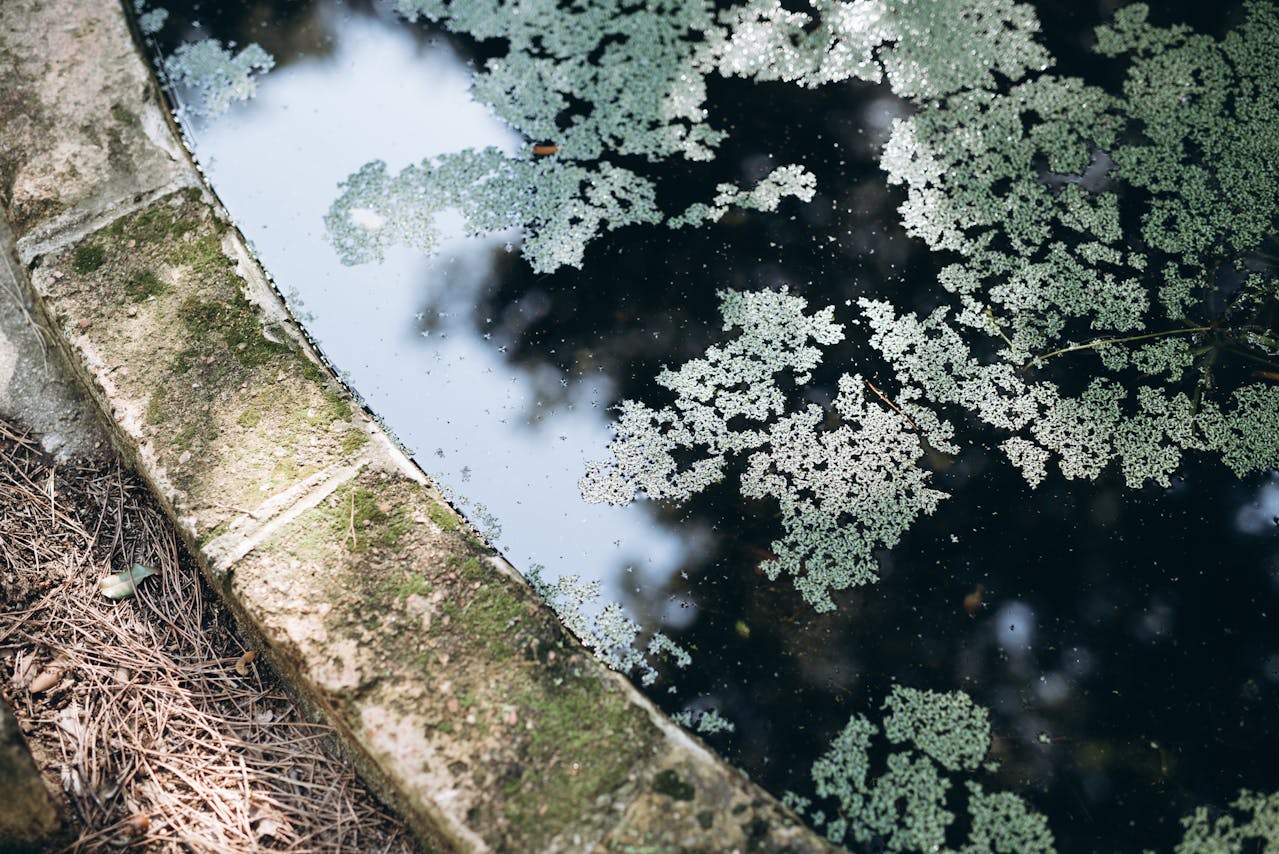
You walk outside, excited for a swim, and find your once-clear pool has turned into a murky green mess. That sinking feeling hits hard. Your beautiful backyard oasis now looks more like a swamp than a swimming pool.
Algae growth happens faster than most pool owners expect. One day everything looks fine. Two days later, you’re staring at green water wondering what went wrong. The good news? You can learn how to get rid of algae in pool quickly with the right approach and tools.
This guide walks you through proven methods that actually work. No fancy equipment needed. No expensive pool service calls. Just straightforward steps that clear your water fast and keep algae from coming back.
Understanding What You’re Fighting
Before you start treating your pool, you need to know what type of algae invaded your water. Three main types affect pools, and each one responds differently to treatment.
Green algae is the most common type. It floats freely in your water and clings to pool walls. This type spreads quickly but responds well to treatment. You’ll see it as cloudy green water or green patches on surfaces.
Yellow algae, sometimes called mustard algae, looks like yellow or brown powder on pool walls and floors. It prefers shady areas and brushes off easily but comes back stubbornly if not treated properly.
Black algae is the worst type to deal with. It forms dark blue-green spots with protective layers that regular pool chemicals can’t penetrate easily. This type requires aggressive treatment and patience.
Knowing your algae type helps you choose the right treatment intensity. Green algae might clear in 24 hours. Black algae could take several days of persistent work.
Step 1: Test Your Water Chemistry
Grab your water testing kit before doing anything else. You need accurate readings of pH, alkalinity, and chlorine levels. These numbers tell you exactly what your pool needs.
Your pH should sit between 7.2 and 7.6. Algae loves high pH levels above 7.8. If your pH is too high, the chlorine you add won’t work effectively. It just sits in the water doing nothing while algae continues growing.
Total alkalinity should range from 80 to 120 ppm. This measurement stabilizes your pH and prevents wild swings that create perfect conditions for algae growth.
Write down your test results. You’ll test again after treatment to confirm everything is balanced correctly. Keep a log so you can spot patterns that lead to algae problems.
Step 2: Balance Your Water First
Don’t waste money adding chlorine to unbalanced water. Fix your pH and alkalinity first, then move on to algae treatment.
If your pH is too high, add pH decreaser according to package directions. Wait at least four hours, then test again. Keep adjusting until you hit that sweet spot between 7.2 and 7.6.
Low pH needs pH increaser or soda ash. Add it gradually. You can always add more, but you can’t take it out once it’s in the water.
Alkalinity adjustments take longer. Add alkalinity increaser for low readings. Let your pump run for at least 8 hours before testing again. For high alkalinity, you’ll lower pH first, which naturally brings alkalinity down over time.
Balanced water means your chlorine works at full strength. You’ll use less chemicals and clear your pool faster when chemistry is right.
Step 3: Brush Every Surface Thoroughly
This step takes elbow grease, but you can’t skip it. Brushing breaks up algae colonies and exposes them to chemicals. Without brushing, algae just sits protected on your pool surfaces.
Start at the shallow end and work toward the deep end. Brush the walls from top to bottom. Get the steps, ladders, and corners where algae loves to hide. Brush the floor last, pushing debris toward your main drain.
Use a stiff-bristled brush for concrete pools. Vinyl and fiberglass need softer bristles that won’t damage the surface. Brush hard enough to remove visible algae but not so hard you damage your pool finish.
Spend extra time on any dark spots or stubborn patches. Black algae needs really aggressive brushing to break through its protective layers. You might need a wire brush for this type, but be careful on vinyl surfaces.
Plan to brush at least twice during treatment. Once before shocking and once the next day. More brushing speeds up algae removal.
Step 4: Shock Your Pool Aggressively
Now comes the main attack on how to get rid of algae in pool quickly. Shocking means adding a large dose of chlorine that kills algae and oxidizes dead organic matter.
For light green algae, use double your normal shock dose. Medium green needs triple dose. Dark green or black algae requires quadruple dose or more. Don’t be shy with the chemicals here. Underdosing just wastes time and money.
Add shock in the evening. Sunlight breaks down chlorine, so nighttime shocking gives chemicals all night to work. Pour shock around the pool perimeter while your pump runs. Never add shock through your skimmer.
Liquid chlorine works faster than granular shock for severe algae. It dissolves instantly and starts killing immediately. Granular shock costs less but takes longer to dissolve.
Keep your pump running continuously for 24 hours after shocking. This circulates chemicals throughout every part of your pool. No dead spots where algae can survive.
Step 5: Add Algaecide for Extra Killing Power
Shock does the heavy lifting, but algaecide provides extra insurance against how to get rid of algae in pool quickly. Wait at least 24 hours after shocking before adding algaecide. Adding both at once wastes the algaecide.
Choose a quality algaecide rated for your algae type. Green algae responds to standard algaecide. Yellow and black algae need specialized formulas. Read the label carefully before buying.
Follow package directions exactly. More isn’t better with algaecide. Too much creates foam problems that take days to resolve. Measure accurately and pour slowly around the pool perimeter.
Run your pump for at least 8 hours after adding algaecide. This spreads the treatment evenly and pushes it into every corner of your pool.
Some pool owners skip algaecide and rely only on shock. This works for minor algae problems. Serious infestations need both treatments for fastest results.
Step 6: Filter and Vacuum Continuously
Your filter does the hard work of removing dead algae from your water. Run it continuously until your water clears completely. This might mean 48 to 72 hours of nonstop filtering.
Check your filter pressure gauge every few hours. When pressure rises 8 to 10 psi above normal, backwash or clean your filter. Dead algae clogs filters quickly, reducing their effectiveness.
Cartridge filters need cleaning more often during algae treatment. Pull the cartridges and spray them down every 12 hours if needed. Sand and DE filters get backwashed when pressure climbs.
Once your water starts clearing, vacuum the pool floor. Dead algae settles on the bottom as gray or white dust. Vacuum to waste if possible, sending debris straight out of your pool instead of through your filter.
If you can’t vacuum to waste, vacuum slowly to your filter. Stop and backwash frequently to prevent overwhelming your filter system. This takes longer but still gets the job done.
Step 7: Maintain Proper Chlorine Levels
After the main treatment, maintain high chlorine levels for several days. Test twice daily and add chlorine as needed to keep levels between 3 and 5 ppm. This prevents any surviving algae from regrowing.
Your chlorine will get used up quickly by dead algae and sunlight. Don’t let levels drop below 3 ppm until your water has been crystal clear for at least three days straight.
Brush your pool daily during this maintenance phase. Check for any new algae spots and hit them immediately with extra chlorine. Staying aggressive now prevents having to start over later.
Test your water chemistry every other day. Make sure pH and alkalinity stay balanced. Unbalanced water lets algae come back even with good chlorine levels.
Common Mistakes That Slow You Down
Many pool owners make the same errors that extend algae problems. Learning these mistakes saves you time and frustration.
Adding too little shock is the biggest mistake. People see the cost and try to cut corners. This leaves some algae alive to regrow. You’ll just spend more money treating the same problem twice.
Stopping treatment too early is another common error. Your water might look clear, but living algae could still hide in your pool. Maintain high chlorine for several days after your water clears.
Forgetting to balance chemistry before shocking wastes chemicals and time. High pH makes chlorine almost useless against algae. Always test and balance first.
Not running your pump long enough prevents chemicals from reaching all areas. Dead spots let algae survive and spread again once treatment stops.
Skipping the brushing step leaves algae protected on surfaces. You can dump chemicals in all day, but they won’t reach algae hiding under protective layers.
Preventing Future Algae Growth
Once you’ve learned how to get rid of algae in pool quickly, keep it from returning. Prevention takes way less work than treatment.
Test your water at least twice weekly during swimming season. Catch chemistry problems before they create conditions algae loves. Keep pH between 7.2 and 7.6 and chlorine between 1 and 3 ppm.
Shock your pool weekly during hot weather. Heat and sunlight consume chlorine faster, leaving your pool vulnerable. Regular shocking prevents algae from getting started.
Brush your pool weekly even when water looks clear. This removes algae spores before they establish colonies. Spending 15 minutes brushing beats spending days treating green water.
Clean your filter regularly. A clogged filter can’t remove contaminants that feed algae growth. Follow manufacturer guidelines for cleaning frequency.
Run your pump long enough each day. Most pools need 8 to 12 hours of circulation during summer. Longer if you have lots of swimmers or your pool gets full sun all day.
When to Call a Professional
Most algae problems clear up with the methods described here. Some situations need professional help.
Black algae that won’t respond after a week of aggressive treatment might need specialized equipment. Pool professionals have tools and chemicals not available to homeowners.
Persistent algae that returns immediately after treatment suggests bigger problems. You might have a broken pipe, bad filter, or other equipment issues. A professional can diagnose these problems.
If you’re uncomfortable handling large amounts of pool chemicals, hire someone. Safety matters more than saving money. Pool professionals know how to handle chemicals safely.
Green water that won’t clear after following all steps correctly might indicate copper or iron in your water. These metals create green water that looks like algae but needs completely different treatment.
You may also read: How Long Does It Take to Build a Custom Inground Pool?
Your Clear Pool Awaits
Learning how to get rid of algae in pool quickly comes down to following proven steps in the right order. Test and balance your water first. Brush thoroughly. Shock aggressively. Add algaecide for insurance. Filter continuously. Maintain high chlorine until you’re certain the algae is gone.
The process takes effort, but you’ll see results within 24 to 48 hours for most algae types. Your cloudy green pool will transform back into the crystal-clear water you remember.
Stay consistent with testing and maintenance after clearing algae. Prevention beats treatment every time. Your pool stays swimmable, and you avoid the stress of dealing with another algae outbreak.
Ready for Professional Pool Care?
At Cutler Pools, we understand the frustration of battling algae. Our experienced team has cleared thousands of algae-infested pools across the area. We know exactly how to get rid of algae in pool quickly and keep it from coming back.
Whether you need emergency algae treatment or regular maintenance to prevent problems, we’re here to help. Our service plans include weekly testing, chemical balancing, and cleaning that keeps your pool in perfect condition all season long.
Don’t spend your summer fighting algae. Let the experts at Cutler Pools handle the work while you enjoy your pool. Visit cutlerpools.com to schedule service or request a free consultation. Your crystal-clear pool is just one call away.
0 Comments