
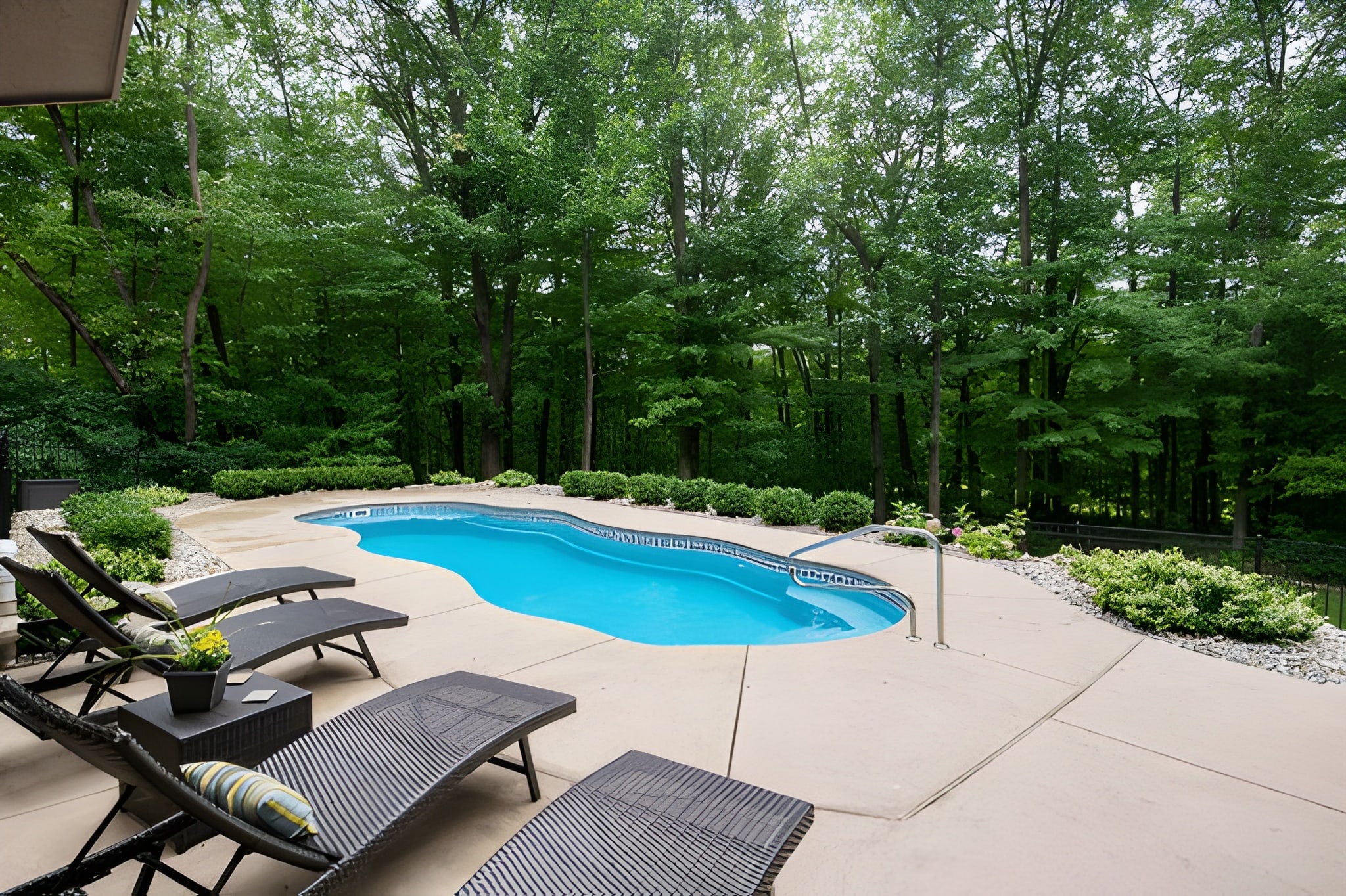
You’ve dreamed about it for years. A backyard oasis where your kids can splash away summer afternoons. A place to cool off after work. A feature that makes your home the neighborhood hangout spot. But here’s what stops most people: How much does it cost to build an inground pool in the U.S.?
The average American homeowner spends between $35,000 and $65,000 on an inground pool installation. That’s a huge range. Why? Your final price depends on dozens of factors. Pool type matters most. Your location changes everything. The features you add can double your budget.
This guide breaks down real numbers. You’ll see exactly where your money goes. You’ll learn which expenses you can control and which you can’t. You’ll discover strategies that save thousands without cutting corners. Let’s get into the details so you can plan your pool project with confidence.
Average Cost Breakdown by Pool Type
Three main types of inground pools exist. Each comes with different price tags and maintenance requirements. Your choice here sets the foundation for your entire budget.
Vinyl liner pools cost the least upfront. You’ll pay $25,000 to $45,000 for a basic installation. The liner fits over a steel, polymer, or concrete frame. It creates a smooth surface that’s gentle on feet. But liners need replacement every 7-10 years at $4,000-$5,000 per replacement.
Fiberglass pools sit in the middle range at $40,000 to $85,000. These arrive as one-piece shells. A crane lifts them into your prepared hole. Installation takes just days instead of weeks. They require less maintenance and fewer chemicals than other types. The smooth gel-coat surface resists algae growth naturally.
Concrete pools offer unlimited customization but cost the most. Expect to pay $50,000 to $100,000 or more. Gunite or shotcrete construction allows any shape you can imagine. You can add beach entries, tanning ledges, or infinity edges. These pools last 50+ years with proper care. But the porous surface needs more chemicals and brushing.
How much does it cost to build an inground pool in the U.S. depends heavily on this first decision. Vinyl saves money now but costs more long-term. Fiberglass balances initial investment with lower lifetime expenses. Concrete maximizes design freedom at premium pricing.
Size and Shape Impact on Price
Bigger pools cost more. That’s obvious. But the relationship isn’t always linear. A 20×40 pool doesn’t cost twice as much as a 10×40 pool. You’re paying for excavation, plumbing, equipment, and materials. Some costs stay the same regardless of size.
Here’s what different sizes typically run:
- Small pools (10×20 to 12×24): $28,000-$45,000
- Medium pools (14×28 to 16×32): $40,000-$65,000
- Large pools (18×36 to 20×40): $55,000-$90,000
- Extra-large pools (20×44+): $80,000-$150,000
Shape affects complexity and waste. Rectangular pools cost less than kidney shapes or custom designs. Straight lines mean simpler excavation. Less waste during construction. Easier installation of liners or shells.
Custom shapes add 15-30% to your base cost. That freeform lagoon look requires hand-sculpting and precision. Curved edges need special attention. More labor hours mean higher bills.
Depth changes pricing too. Standard pools go 3-5 feet in the shallow end and 5-8 feet in the deep end. Want a diving pool? You need at least 9 feet deep. That means more excavation, more materials, and more money.
Hidden Expenses You Need to Know
The pool itself is just the start. Many homeowners get surprised by additional costs they didn’t budget for. These extras can add $10,000-$30,000 to your project.
Permits and inspections run $500-$2,000 depending on your city. Every municipality has different requirements. Some need electrical inspections. Others require fence permits. Your contractor should handle this, but verify it’s included in your quote.
Land preparation costs vary wildly. Flat, accessible yards keep costs down. Slopes require retaining walls. Rocky soil needs extra excavation. Tree removal adds expense. Budget $3,000-$15,000 for site work on challenging properties.
Fencing isn’t optional in most states. Safety codes require barriers around pools. A basic aluminum fence costs $15-$25 per foot installed. You’ll need at least 100 feet for most pools. That’s $1,500-$2,500 minimum.
Decking provides space around your pool. Concrete runs $6-$12 per square foot. Pavers cost $10-$25 per square foot. Natural stone goes up to $30-$50 per square foot. Most pools need 400-800 square feet of decking. Do the math on your preferred material.
Utilities include plumbing and electrical work. Running new lines from your house to the pool area costs $1,500-$4,000. You need GFCI outlets. You need proper grounding. Hire licensed professionals for this work.
| Common Add-On | Price Range |
|---|---|
| Pool heater (gas) | $2,500-$5,000 |
| Pool heater (electric) | $2,000-$4,000 |
| Salt water system | $1,500-$3,000 |
| LED lighting | $700-$2,500 |
| Water features (fountain/waterfall) | $1,000-$10,000 |
| Automatic pool cover | $5,000-$15,000 |
| Pool house/cabana | $10,000-$50,000+ |
How much does it cost to build an inground pool in the U.S. becomes clearer when you factor in these extras. Most people add at least $8,000-$12,000 in features beyond the basic pool.
Regional Price Differences Across America
Where you live changes what you pay. Labor rates vary by region. Material costs fluctuate. Local competition affects pricing. Building seasons matter too.
Southwestern states like Arizona, Nevada, and Southern California see year-round pool construction. High competition keeps prices moderate. Expect average to slightly above-average costs. The long building season means contractors can offer better deals.
Southeastern states including Florida, Georgia, and the Carolinas have booming pool markets. Prices stay competitive. Favorable soil conditions reduce excavation costs. You’ll find plenty of experienced contractors. Budget for the national average here.
Northeastern states face higher costs. Shorter building seasons mean contractors charge premium rates. Cold winters require winterization services. Frost lines affect plumbing depth. Pool construction in New York, Massachusetts, or Pennsylvania runs 10-20% above national averages.
Midwestern states see moderate pricing with seasonal variation. Spring and summer demand drives prices up. Fall installations sometimes offer discounts. Soil conditions vary widely across this region. Rocky areas cost more to excavate.
Northwestern states have limited building windows due to rain. Labor costs run high in cities like Seattle and Portland. But rural areas offer competitive pricing. Expect near-national-average costs with 15% swings based on exact location.
The National Association of Realtors reports that pools add 5-8% to home values in warm climates. That return on investment helps justify higher construction costs in premium markets.
Ways to Save Without Sacrificing Quality
You can reduce costs without building a pool you’ll regret. Smart choices save thousands. Bad shortcuts cost more in the long run.
Time your project right. Off-season construction often comes with discounts. Book your pool for late fall or early spring installation. Contractors offer better rates during slow periods. You might save 10-15% just by scheduling strategically.
Choose standard sizes and shapes. Custom designs cost more. Rectangle, oval, and basic kidney shapes use standard equipment. They minimize waste. They speed up installation. You can still make them beautiful with decking and landscaping choices.
Do your own landscaping. Contractors mark up plants and decorative elements significantly. Buy your own trees, shrubs, and flowers. Plant them yourself or hire a local landscaper. This typically saves 30-40% on landscaping costs.
Start with basics, add later. You don’t need every feature on day one. Install the pool with standard equipment. Add the heater next year. Install fancy lighting in year two. Spreading costs over time makes the project more affordable.
Get multiple quotes. Three to five estimates show you the market rate. But don’t automatically pick the lowest bid. Check references. Verify licenses and insurance. A mid-range quote from a reputable contractor beats a cheap quote from an unknown company.
Avoid these false economies:
- Skipping permits (leads to fines and removal orders)
- Hiring unlicensed contractors (no recourse if problems arise)
- Choosing the smallest possible pump (struggles to maintain water quality)
- Eliminating proper drainage (causes foundation problems)
- Using the cheapest materials (requires earlier replacement)
Quality pool installation protects your investment. The Better Business Bureau recommends verifying contractor credentials before signing any contracts. A few hours of research saves years of headaches.
Financing Options for Your Pool Project
Most homeowners don’t pay cash for pools. Several financing methods make projects affordable. Each has pros and cons worth considering.
Home equity loans offer fixed rates and predictable payments. You borrow against your home’s value. Interest may be tax-deductible. Rates typically run 6-9% based on your credit. Loan terms extend 5-30 years.
Home equity lines of credit (HELOC) provide flexibility. Draw what you need when you need it. Pay interest only on the amount borrowed. Variable rates mean payments can increase. Good for projects with uncertain final costs.
Personal loans don’t require home equity. Approval comes faster than home-based loans. But rates run higher, often 8-15%. Terms max out at 5-7 years. Monthly payments are larger.
Pool financing companies specialize in this type of project. Some contractors partner with specific lenders. You might get promotional rates. Watch for hidden fees and prepayment penalties.
Credit cards work for smaller add-ons and finishing touches. Don’t finance the entire pool this way unless you have a 0% promotional period. Regular credit card rates of 18-25% make this expensive.
Contractor payment plans let you pay as work progresses. You might put down 25-30% to start. Pay another 40% at midpoint. Final 30-35% comes at completion. This protects both you and the contractor.
Calculate monthly payments before committing. A $50,000 pool financed at 7% over 15 years costs about $450 per month. That doesn’t include ongoing maintenance, chemicals, utilities, and repairs. Make sure your budget handles both the loan and the operating costs.
You may also read: How to Properly Close Your Pool for Winter: 7 Essential Steps
Final Thoughts: Start Your Pool Journey Today
How much does it cost to build an inground pool in the U.S.? You now have the real numbers. You understand the variables that affect pricing. You know where to save and where to spend.
Your dream pool is closer than you think. The right planning makes it achievable. The right contractor makes it stress-free. The right financing makes it affordable.
Don’t let budget uncertainty keep you on the sidelines. Contact Cutler Pools today for a free, no-obligation quote. Our team will assess your property, discuss your vision, and provide transparent pricing. We’ll show you exactly what’s possible within your budget. Let’s turn your backyard into the summer destination you’ve always wanted.
0 Comments