
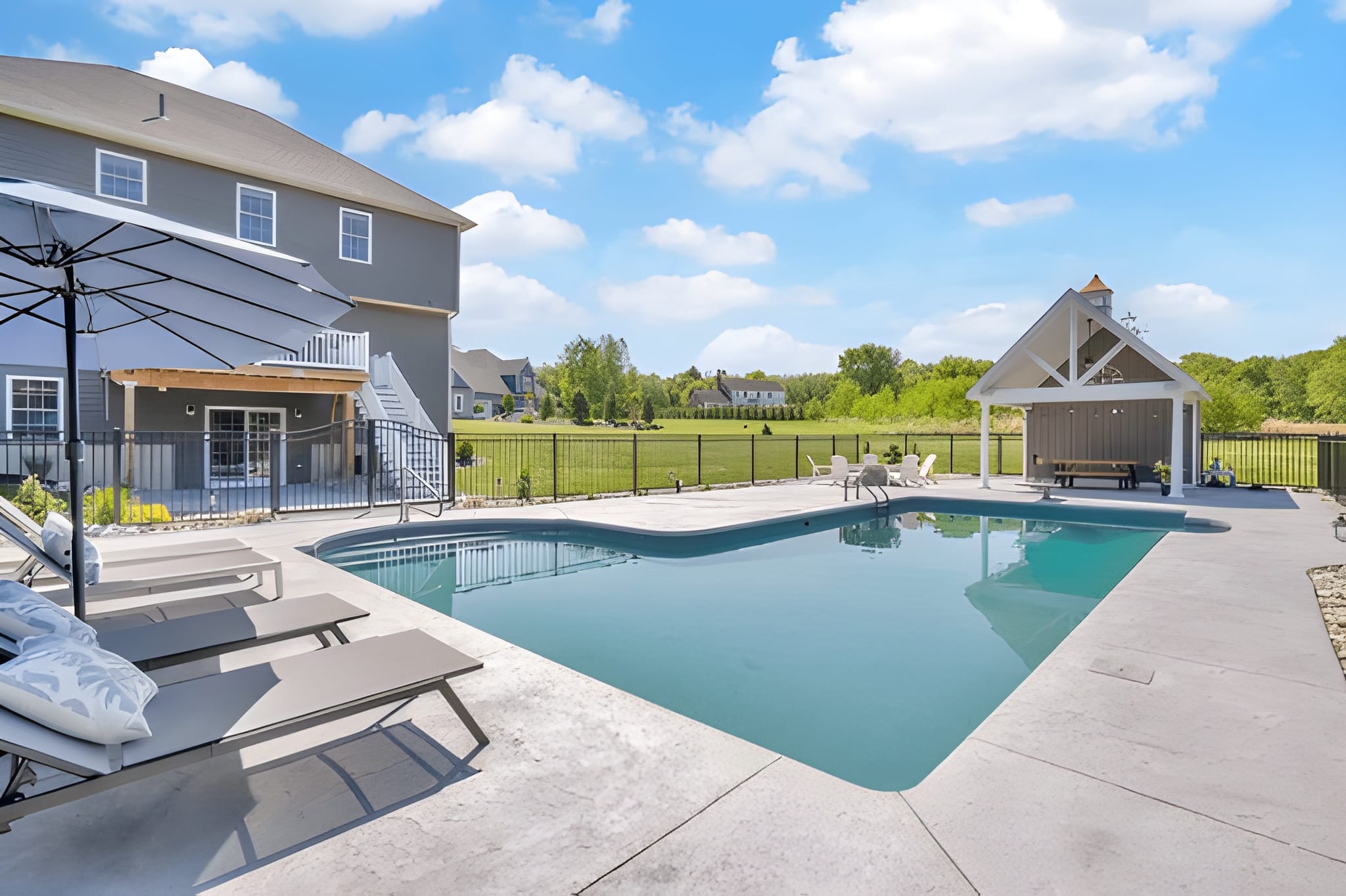
You’ve signed the contract. You’re excited about your new pool. The crew shows up next week. But your neighbor just told you their pool took four months. Your coworker’s took six weeks. Your cousin’s took nearly a year. So how long does it take to build a custom inground pool?
Here’s the reality: the average custom inground pool takes 8-12 weeks from excavation to swim time. That’s the national average according to industry data. But 67% of pool projects experience at least one week of delays. Weather, permit issues, and material shortages all affect your timeline.
Your pool type matters most. Fiberglass pools go in within days. Vinyl liner pools need 4-8 weeks. Concrete pools take the longest at 8-12 weeks minimum. Complex custom features add time. Simple rectangles finish faster. Let’s break down exactly what happens during construction and when you’ll finally take that first swim.
Average Construction Timeline Breakdown
How long does it take to build a custom inground pool? The answer depends on your pool type and complexity. Here’s what you can realistically expect for each option.
Fiberglass pools offer the fastest installation. The shell arrives pre-made from the factory. Installation takes just 3-7 days. Day one brings excavation. Day two sets the shell. Days three through five handle plumbing, electrical, and backfill. Days six and seven finish decking and cleanup. You’re swimming by the weekend.
Vinyl liner pools require 4-8 weeks total. The frame gets installed first. That takes 3-5 days. Plumbing and electrical come next at 5-7 days. The liner arrives and gets stretched into place. That’s another 2-3 days. Decking and final touches need 1-2 weeks. Weather and material availability affect this timeline significantly.
Concrete pools need the most time. Excavation starts the process at 1-3 days. Steel rebar installation takes 3-5 days. Gunite or shotcrete shooting happens in one day but needs 7-10 days to cure properly. Plumbing and electrical work overlaps with curing at 5-7 days. Tile and coping installation needs 3-5 days. Plaster application takes one day but requires 4-7 days of curing. Final startup and balancing adds 2-3 days. Total time runs 8-12 weeks for standard pools.
Custom features extend every timeline. Waterfalls add 1-2 weeks. Integrated spas add 2-3 weeks. Beach entries need extra excavation time. Infinity edges require precision work. Rock grottos extend schedules by weeks. Budget extra time for anything beyond a basic pool.
Pre-Construction Phase: Permits and Planning
The clock starts ticking before any digging happens. Pre-construction work takes 2-6 weeks depending on your location and project complexity. This phase determines whether your project flows smoothly or hits constant roadblocks.
Permit acquisition varies wildly by municipality. Some cities approve permits in 5-7 business days. Others take 4-6 weeks. California and Florida typically process faster due to high pool volume. Northeast cities often take longer. Submit applications early to avoid delays.
Your permit application needs:
- Property survey showing setback requirements
- Pool design plans with dimensions
- Equipment specifications and placement
- Electrical load calculations
- Fence and safety barrier plans
- Drainage and grading plans
Utility marking must happen before excavation. Call 811 at least 3 business days before your start date. They’ll mark underground gas, electric, water, and cable lines. This free service prevents dangerous accidents and costly repairs. Some areas need 5-7 days notice. Plan ahead.
Design finalization shouldn’t drag out. You picked your pool shape weeks ago. Now you’re choosing final tile colors, coping styles, and decking materials. Make these decisions quickly. Every change order adds delay. Contractors can’t order materials until you confirm choices.
Site preparation sometimes surprises homeowners. You might need tree removal. Slopes might require retaining walls. Poor drainage needs correction. Rocky soil slows excavation. Clay soil affects timeline too. Your contractor should identify these issues during the estimate phase.
Week-by-Week Construction Process
Let’s walk through what happens during a typical 10-week concrete pool installation. This gives you realistic expectations for each phase. How long does it take to build a custom inground pool? Follow this timeline for concrete construction.
Week 1: Excavation and rough grading. Heavy machinery digs your pool hole. Crews haul away tons of dirt. They shape the hole to exact specifications. This week is loud and messy. Your yard becomes a construction zone.
Week 2: Plumbing and electrical rough-in. Pipes get laid for skimmers, returns, and drains. Main drain lines go in. Electrical conduit runs from your house to the equipment area. Everything gets tested before the next phase starts.
Week 3: Steel reinforcement. Rebar installers build the structural framework. They tie steel bars together creating a cage. This gives your pool its strength. Precision matters here. Poor steel work causes cracks later.
Week 4: Gunite or shotcrete application. This is the exciting day. The concrete truck arrives early. The crew sprays concrete onto the steel framework. The entire process takes 6-10 hours. Your pool takes solid shape.
Weeks 5-6: Curing and additional work. The concrete needs time to cure properly. You can’t rush this. Meanwhile, crews install bonding wire, clean the shell, and prepare for the next steps. Some contractors work on decking during this time.
Week 7: Tile and coping installation. Masons set your waterline tile. They install coping around the pool edge. This detail work requires patience and skill. Rushed tile work shows forever.
Week 8: Plaster application. Your pool gets its final surface. Plaster teams work fast. They must complete the entire pool in one session. The smooth finish transforms your pool from gray concrete to finished beauty.
Week 9: Decking and landscaping. Concrete gets poured around the pool. Pavers get set. Landscapers restore your yard. The construction zone starts looking like a backyard again.
Week 10: Equipment installation and startup. Your pump, filter, and heater get installed and connected. The pool fills with water. Technicians balance the chemistry. You’re ready to swim.
This timeline assumes no weather delays or material shortages. Real projects rarely go this smoothly. Add 1-3 weeks buffer time to avoid disappointment.
Factors That Delay Your Pool Project
Most delays are predictable. Smart planning prevents many common issues. Let’s look at what slows down pool construction across America.
Weather is the biggest wildcard. Rain stops excavation, concrete work, and plaster application. You can’t pour decking in freezing temperatures. Summer thunderstorms in Florida delay projects by days. Winter freeze-thaw cycles in the Northeast halt work for weeks. Spring rain in the Midwest creates muddy messes.
Permit delays frustrate everyone. Building departments get overwhelmed during peak season. Your application sits in a queue. One missing document sends you back to the end of the line. Some cities require multiple inspections with days between each. Plan for permit time taking 25-50% longer than promised.
Material shortages became common post-2020. Concrete, steel, and chemicals all face supply chain issues. Your specific tile choice might be backordered. Custom equipment needs lead time. Contractors can’t control what manufacturers deliver late. Ask about material availability before signing contracts.
Rock and soil issues appear during excavation. That backhoe hits bedrock nobody knew existed. Removal requires special equipment. Clay soil turns into mud soup when wet. Sandy soil needs extra engineering. These surprises add days or weeks.
Utility conflicts stop projects immediately. The utility company marked lines wrong. That gas pipe runs right through your pool layout. You need to redesign and resubmit permits. Your contractor moves to other jobs. You wait weeks to get back on the schedule.
Change orders reset timelines. You decide to add a spa mid-project. That requires new permits, materials, and planning. What seemed like a small change adds 2-3 weeks. Make all decisions before construction starts.
The National Association of Home Builders reports that 72% of outdoor construction projects experience weather-related delays. The Better Business Bureau recommends building a 20% time buffer into any major home improvement project. That’s 2 weeks extra on a 10-week pool.
How to Speed Up Your Timeline
You can’t control weather. But you can control many other factors that affect speed. These strategies get you swimming sooner.
Book during off-season. Contractors have lighter schedules in fall and early spring. They focus entirely on your project. Summer brings competing jobs. Your pool might sit idle for days between phases. Off-season booking means dedicated crews.
Make all decisions upfront. Choose your tile, coping, and decking before signing the contract. Don’t wait until construction starts. Every decision delay ripples through the schedule. Decisive clients get finished pools faster.
Prepare your site early. Remove old decking yourself. Clear plants and obstacles. This work doesn’t require licensed contractors. DIY site prep saves a day or two from the schedule.
Maintain clear access. Crews need room for equipment. A truck can’t reach your backyard through a narrow gate. Poor access forces hand-digging and manual labor. That quadruples excavation time. Create access paths before work begins.
Stay responsive. Answer your contractor’s calls immediately. They need quick decisions on unexpected issues. Delayed responses cause crew downtime. Your pool sits empty waiting for your answer.
Accept standard options. Custom colors need special orders. Standard options ship from stock. The difference? Two weeks of waiting versus same-day availability. Standard doesn’t mean ugly. Most contractors offer attractive stock choices.
Avoid peak season. Memorial Day through July is pool construction chaos. Every contractor is booked solid. Crews work multiple jobs simultaneously. Your pool progresses slowly. Book for completion in May or September. You’ll still enjoy plenty of swim time.
| Timeline Factor | Time Added | Prevention Strategy |
|---|---|---|
| Weather delays | 3-10 days | Build during stable weather months |
| Permit issues | 1-4 weeks | Submit complete applications early |
| Material shortages | 1-3 weeks | Order materials before construction starts |
| Rock excavation | 2-5 days | Request geotechnical survey beforehand |
| Change orders | 1-3 weeks | Finalize all decisions before breaking ground |
| Contractor scheduling | 3-7 days | Book off-season for dedicated crews |
Seasonal Timing Strategies
How long does it take to build a custom inground pool changes with the seasons. Smart timing gets you swimming faster and saves money.
Spring builds (March-May) mean completion before summer heat. You’ll swim by Memorial Day. Book in January or February. Spring brings unpredictable weather. Rain delays are common. But dedicated crews work fast to meet summer deadlines.
Summer builds (June-August) face the longest wait times. Everyone wants pools now. Contractors juggle multiple projects. Your pool shares crew time with other jobs. Permits take longer. Materials run short. Start planning in winter for summer construction.
Fall builds (September-November) offer the best contractor availability. Weather is generally stable. Crews have open schedules. They finish projects faster. You won’t swim immediately, but your pool is ready for next summer. Fall pricing sometimes includes discounts too.
Winter planning (December-February) means spring construction. Use winter months for permits and planning. Break ground in March. Finish by late May. This schedule works perfectly in southern states. Northern states might wait until April to start.
You may also read: 7 Ultimate Pool Design Ideas That Transform Your Backyard
Final Thoughts: Start Planning Your Pool Today
How long does it take to build a custom inground pool? You now know the real answer. Fiberglass takes days. Vinyl needs weeks. Concrete requires months. Your choices and planning affect every timeline.
Stop waiting for the perfect moment. The best time to start planning was last year. The second-best time is right now. Summer is coming faster than you think.
Contact Cutler Pools today for your free timeline consultation. We’ll assess your property, review your design ideas, and provide an honest construction schedule. No surprises. No hidden delays. Just clear expectations from start to splash. Let’s get your pool project started so you can enjoy next summer in your own backyard paradise.
0 Comments